Don’t Repeat NY’s 3D Printing Blunder
Original reporting by Electronic Frontier Foundation
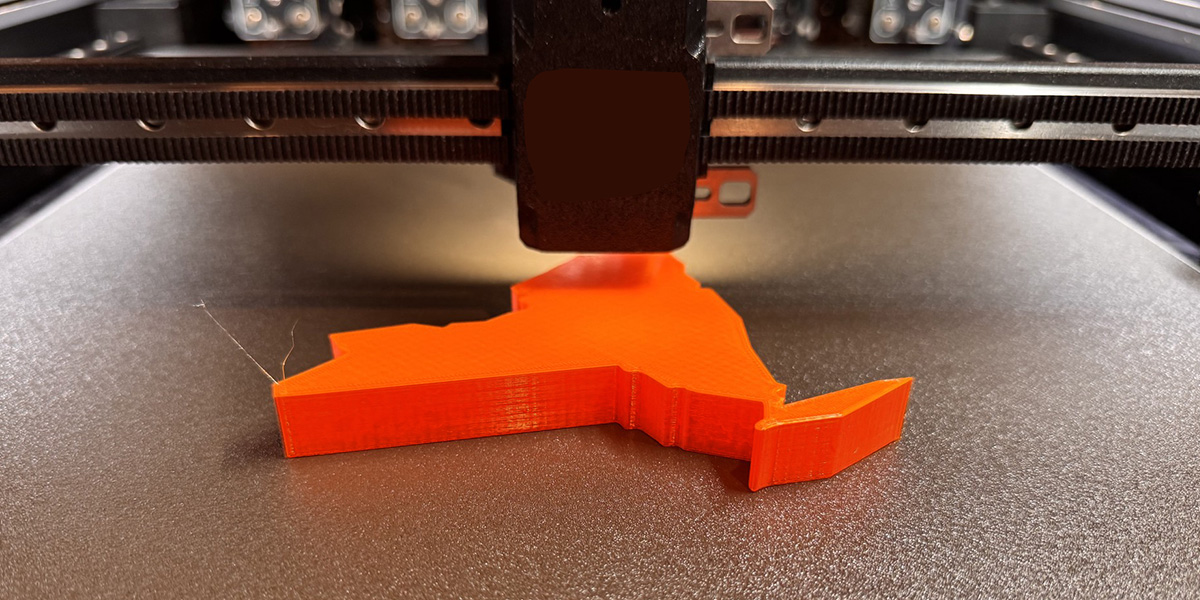
New York's 3D printer surveillance law refers to a controversial legislative mandate requiring all 3D printers sold in the state to incorporate surveillance and censorship capabilities. This year, New York earned the dubious distinction of being the first state to pass such a provision, setting a troubling precedent with far-reaching implications for privacy, free expression, and consumer rights. Passed under the guise of reducing gun violence, a problem primarily linked to commercial firearms, this legislation effectively allows manufacturers to lock in users and collect their data. Despite warnings from experts and significant public outcry, which led to some welcome amendments, the bill was signed into law, impacting artists, researchers, and hobbyists in New York and risking other states adopting similar, ill-conceived measures.
The Bill's Evolution While the public response did prompt some key changes, ambiguities persist. Felony charges for storing and sharing firearm print files were downgraded to misdemeanors, and an important "reasonable belief" exception was added for file sharing, though file possession remains a grey area. Crucially, a burdensome requirement for all 3D printers to be sold face-to-face was entirely removed, preserving online access vital for rural communities. However, the exact implementation of this "state-mandated censorware" is still undefined, left to a working group with no mandated public transparency or obligation to ensure consumer safeguards. As New York ventures into this uncharted territory, the urgency to oppose similar restrictions in other states, like California, intensifies before the full, real-world impacts are even known.
The passage of New York's 3D printer surveillance and censorship mandate, despite last-minute amendments, marks a significant and troubling development. While some changes offer minor mitigation, such as downgrading felony charges for file sharing and removing the face-to-face sales requirement, the core legislation remains an unprecedented infringement on privacy, free expression, and consumer autonomy. The law's inherent ambiguity regarding file possession and sharing creates a chilling effect on researchers, artists, and hobbyists alike, while the establishment of an opaque working group to define its implementation offers little comfort regarding future safeguards or transparency. This legislative process has sidestepped proper scrutiny, culminating in a vague mandate now subject to a non-transparent development process.
The Broader Ramifications
This New York law, enacted under the guise of public safety, transcends state borders in its implications. It establishes a dangerous precedent for regulating general-purpose technologies, signaling a potential future where personal tools come pre-equipped with state-mandated monitoring and control. The risk of other states, like California, thoughtlessly adopting similar measures before the full, negative ramifications of New York’s policy are even understood, is profound. This legislative misstep threatens to stifle innovation, impede scientific research, and erode fundamental digital freedoms, granting corporations and governments undue power over personal fabrication and expression. The ongoing fight demands vigilant opposition to prevent this foundation from becoming a blueprint for widespread digital censorship and the curtailment of individual liberty, ensuring the future of fabrication remains open, empowering, and free from pervasive surveillance.
Frequently asked questions
- What is the new New York law about 3D printers?
- New York recently passed legislation mandating that all 3D printers sold in the state include surveillance and censorship capabilities. While framed as a measure to reduce gun violence, critics argue it infringes on user privacy, free expression, and consumer rights. This controversial law makes New York the first state to implement such a requirement, raising concerns about potential impacts on artists, researchers, engineers, and hobbyists using these devices.
- How does New York's 3D printer law affect digital file sharing?
- New York's 3D printer law modifies how digital file sharing for certain printable components is treated. Originally threatening felony charges, the legislation now downgrades such offenses to a Class A misdemeanor. It also introduced an exception for individuals who share files with a reasonable belief that the recipient will not use them illegally. However, ambiguity remains regarding possessing these files with intent to share, potentially creating "speech-chilling effects" for researchers and journalists.
- What are the future steps for implementing New York's 3D printer law?
- The specifics of New York's 3D printer surveillance and censorship mandate will be developed over the next year by a state-convened working group. This group, formed by the Department of State and state university system, is tasked with determining the exact standards and requirements. Concerns have been raised regarding the working group's lack of mandated transparency to the public and its obligation to ensure consumer safeguards in the final implementation.